Guía de altura de postes de luz: alturas estándar para calles, jardines y mástiles altos
Oct 16, 2026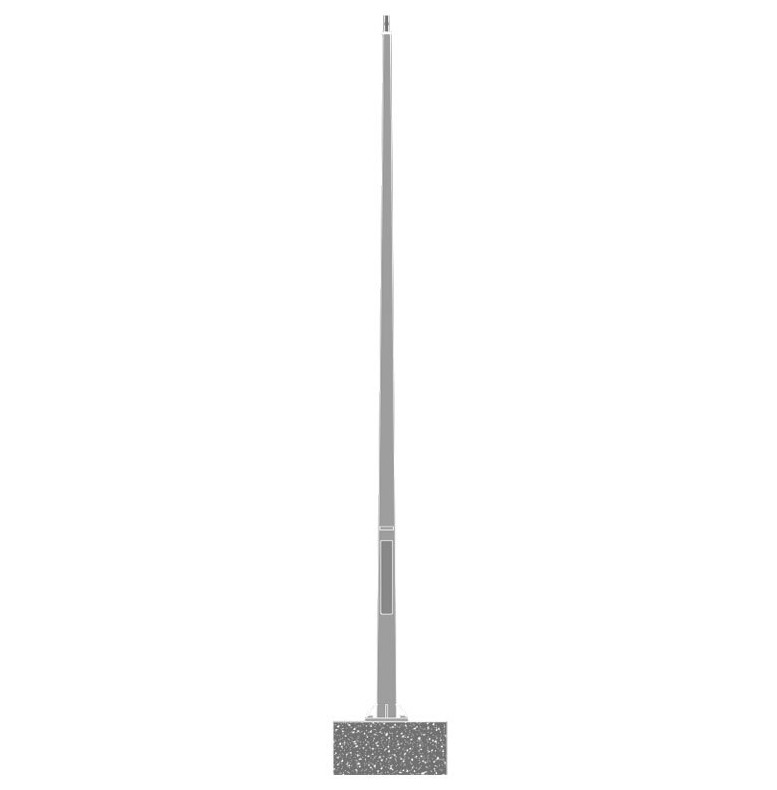
Guía de postes de luz galvanizados: especificaciones de revestimiento, vida útil y criterios de compra
Oct 15, 2026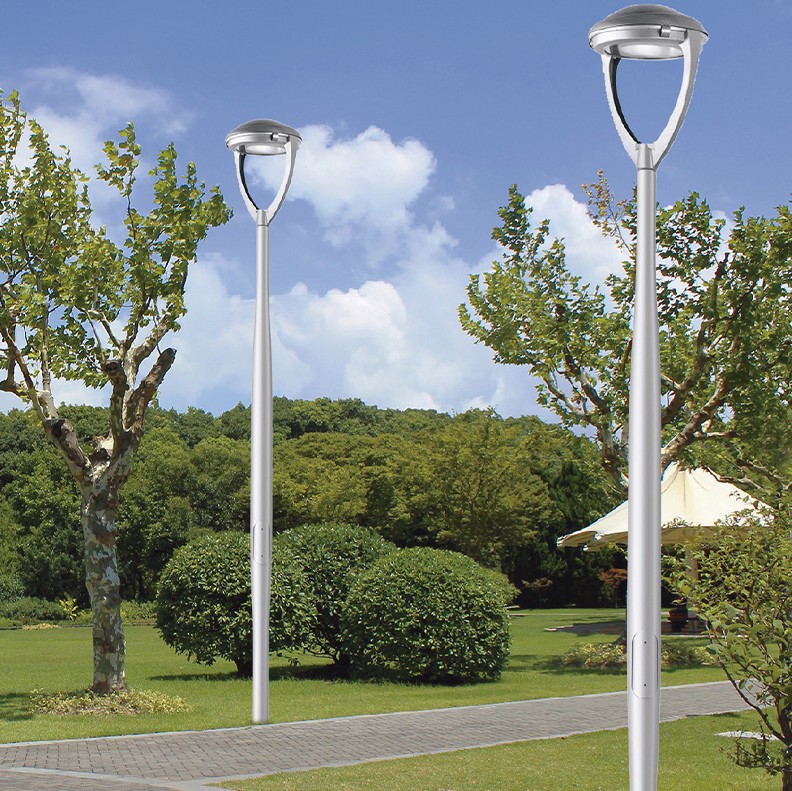
Iluminación paisajística exterior para oficinas: cómo especificar los postes correctos
Oct 09, 2026Los postes de lámpara de acero se pueden soldar y reparar después de sufrir daños, y el costo del reemplazo parcial es menor que el de reemplazar los postes de lámpara compuestos en su conjunto.
La tecnología antioxidante (como la galvanización) puede reducir en gran medida la frecuencia del mantenimiento a largo plazo.
Los postes de lámpara de acero se han convertido en una opción confiable para el alumbrado urbano con alto rendimiento de costo, larga vida útil y forma clásica, especialmente para lugares que deben tener en cuenta tanto la función como la belleza. Con la actualización de la tecnología, su alcance de aplicación continúa ampliándose.
Un poste de 8 m en una carretera principal, un poste de 3 m junto a un sendero en un jardín y un mástil de 30 m sobre una plataforma portuaria son todos postes de luz, pero pertenecen a mundos de ingeniería diferentes. La altura decide qué luminaria se puede montar, a qué distancia están los postes, a qué profund...
Ver MásUna hoja de especificaciones que dice "galvanizado en caliente" le dice sólo la mitad de lo que necesita saber. Dos postes de luz de acero pueden tener la misma descripción de dos palabras y comportarse de manera completamente diferente después de quince años de servicio. Uno tiene una superficie de zinc gris mat...
Ver MásNormalmente se eligen primero las luminarias. En un proyecto de paisajismo de oficina, el equipo de diseño elige faroles y reflectores de poste de un catálogo, el contratista los valora y sólo más tarde alguien pregunta sobre qué se montarán, a qué altura y sobre qué base. Los polos se convierten entonces en la r...
Ver Más With their superior mechanical properties, cost-effectiveness, and long lifespan, they have become a reliable choice for urban lighting, road lighting, and landscape lighting.
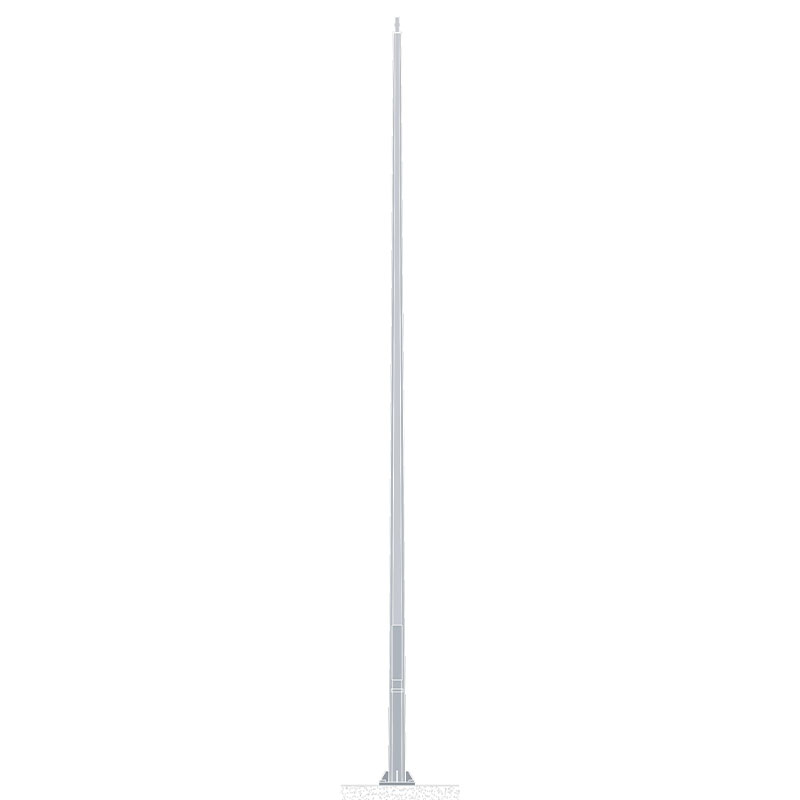
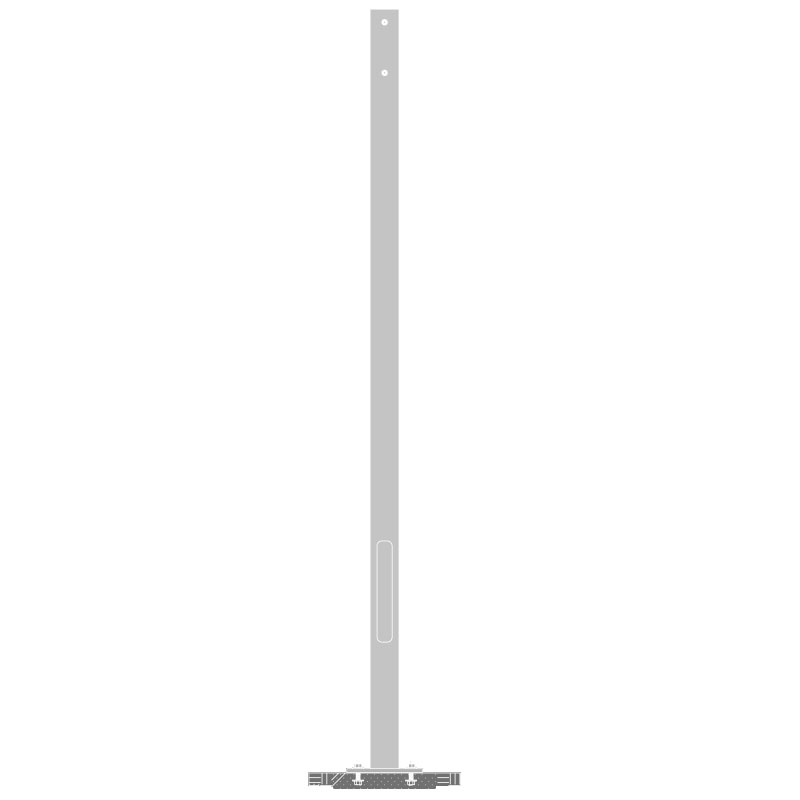
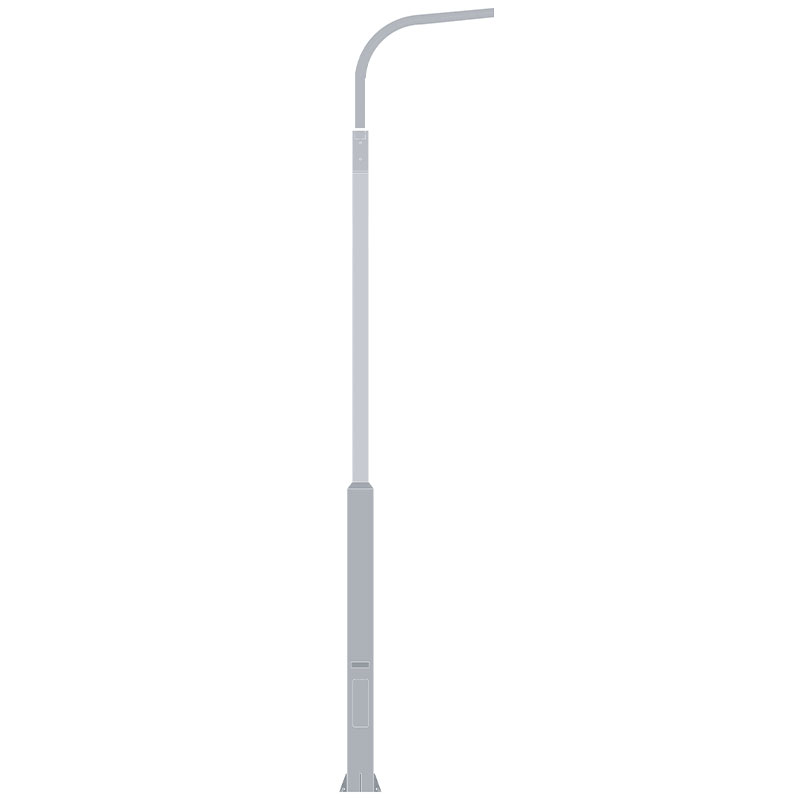
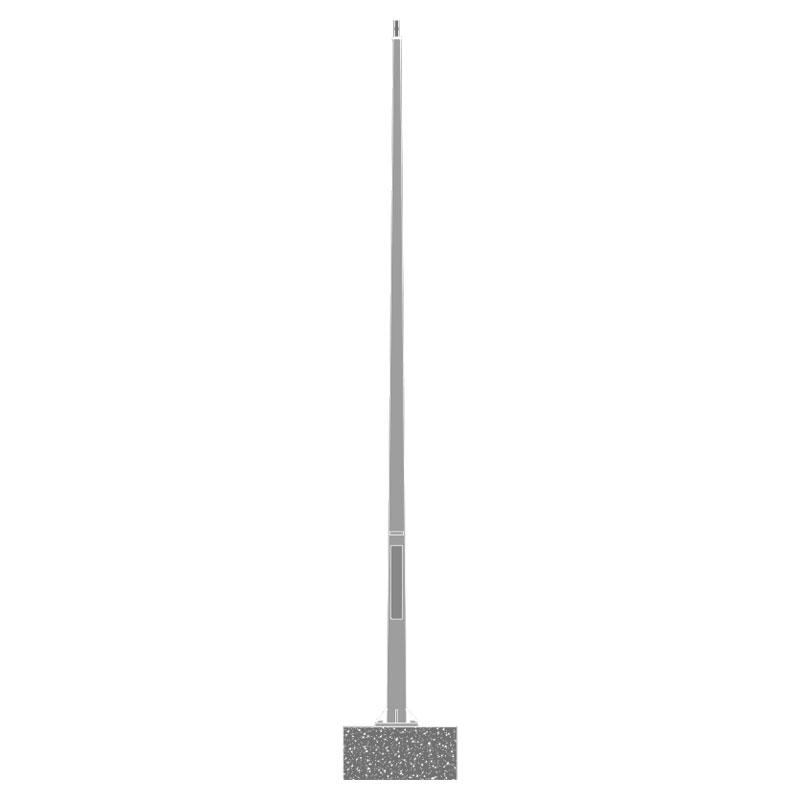
Steel Light Pole are typically manufactured from high-quality low-carbon steel plates (such as Q235 and Q345) through processes such as cutting, bending, and automatic welding. The cross-sectional shapes of the poles are diverse, with common types including:
Classic and aesthetically pleasing, with good wind resistance.
Commonly used for high-mast lighting or special lighting.
High strength and modern design.
The core advantages of Steel Light Pole lie in their high strength and good maintainability.
Steel has extremely high yield strength and wind resistance, ensuring stability and safety under various harsh weather conditions.
High Cost-Effectiveness: Compared to other materials (such as composite materials), steel has a lower initial purchase cost.
Repairability: Damaged steel light poles can be welded and repaired. Partial replacement costs are significantly lower than replacing the entire composite light pole, greatly extending its service life.
To cope with the humid and corrosive outdoor environment, steel light poles must undergo professional rust prevention treatment. Hot-dip galvanizing is currently the most mainstream and effective anti-corrosion technology.
Principle: The steel is immersed in molten zinc, causing the steel surface to react with the zinc, forming a thick zinc alloy layer and a pure zinc layer, creating sacrificial anode protection.
Effect: The galvanized layer has a uniform thickness, providing significant rust prevention. This greatly reduces the frequency and cost of long-term maintenance, ensuring a service life of over 20 years for the light pole.
Post-treatment: After galvanizing, powder coating (electrostatic spraying) is usually applied, providing additional corrosion protection and the desired color and surface finish to meet aesthetic requirements.
Steel light poles, with their long lifespan and classic design, have become a reliable choice for urban lighting, especially suitable for locations that balance functionality and aesthetics.
Expressways, main roads, and secondary roads (high poles, long arm lengths).
Plazas, parks, and residential areas (decorative poles, courtyard lights).
Traffic signal poles, surveillance poles, and other multi-functional poles.
With technological upgrades, the application scope of steel light poles is constantly expanding, such as integrating smart lighting systems and 5G micro base stations, developing towards smart light poles.
Steel Light Pole represent durability, structural strength, and long-term reliability for modern infrastructure.
A: High initial cost-effectiveness; damaged poles can be welded and repaired, and the cost of partial replacement is far lower than the cost of replacing the entire composite light pole.
A: Hot-dip galvanizing is used to form a sacrificial anode protective layer, achieving a service life of over 20 years and significantly reducing maintenance frequency.
A: Primarily used for urban and road lighting. The development trend is the integration of smart technologies, becoming smart light poles and multi-functional poles.
A: They are made of low-carbon steel plates (such as Q235/Q345), with common cross-sections being conical or polygonal, providing high strength.
NINGBO MORELUX POLE TECHNOLOGY LIMITED Todos los derechos reservados. Venta al por mayor Poste De Luz De Acero Fabricante OEM/ODM Poste De Luz De Acero Empresa



 英语
英语 西班牙语
西班牙语 法语
法语 阿拉伯语
阿拉伯语 意大利语
意大利语