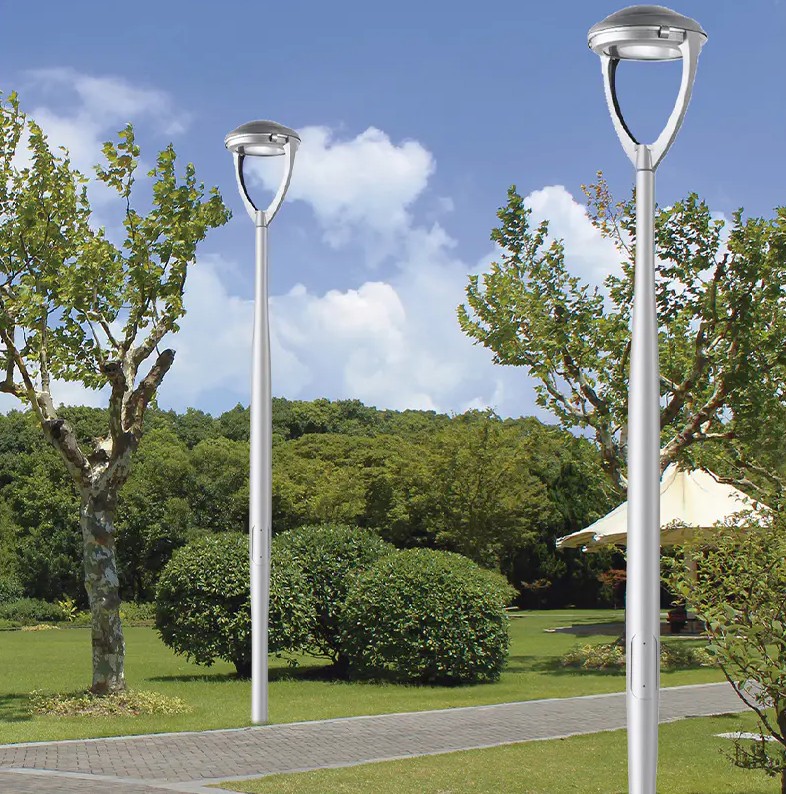
Guía de altura de postes de luz: alturas estándar para calles, jardines y mástiles altos
Oct 16, 2026
Guía de postes de luz galvanizados: especificaciones de revestimiento, vida útil y criterios de compra
Oct 15, 2026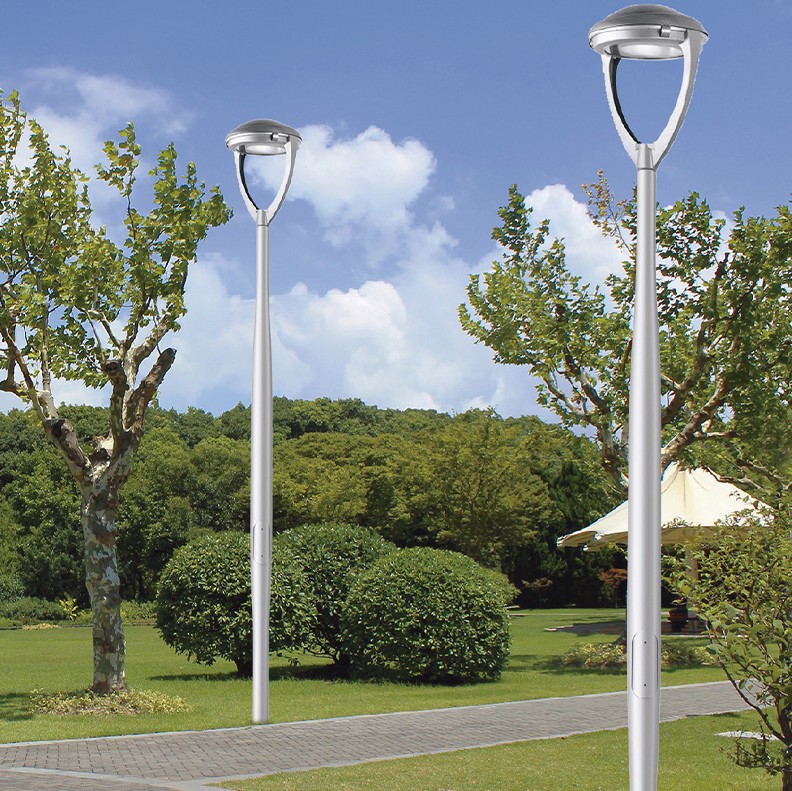
Iluminación paisajística exterior para oficinas: cómo especificar los postes correctos
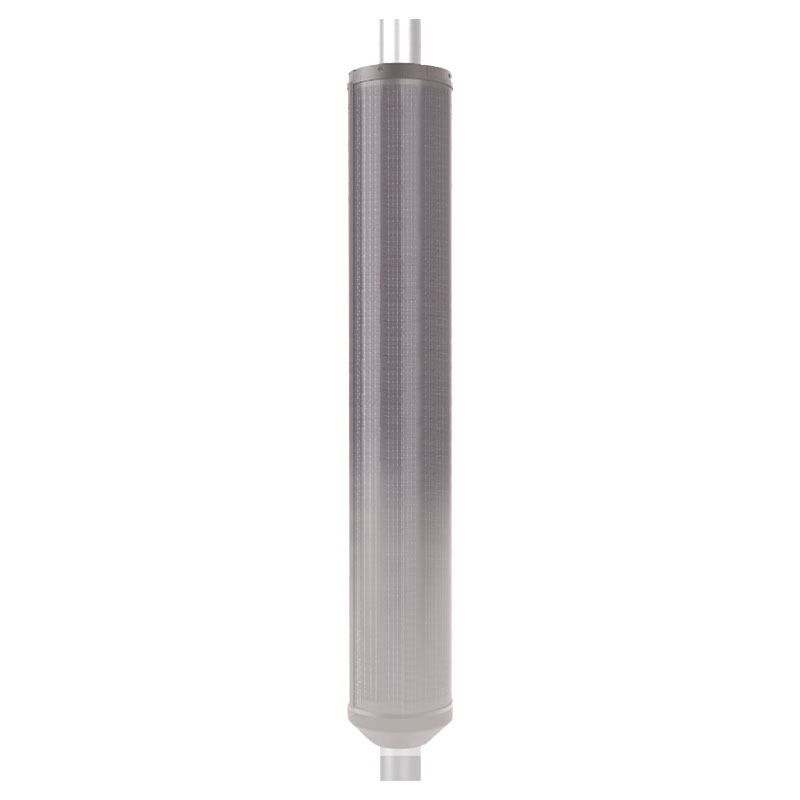
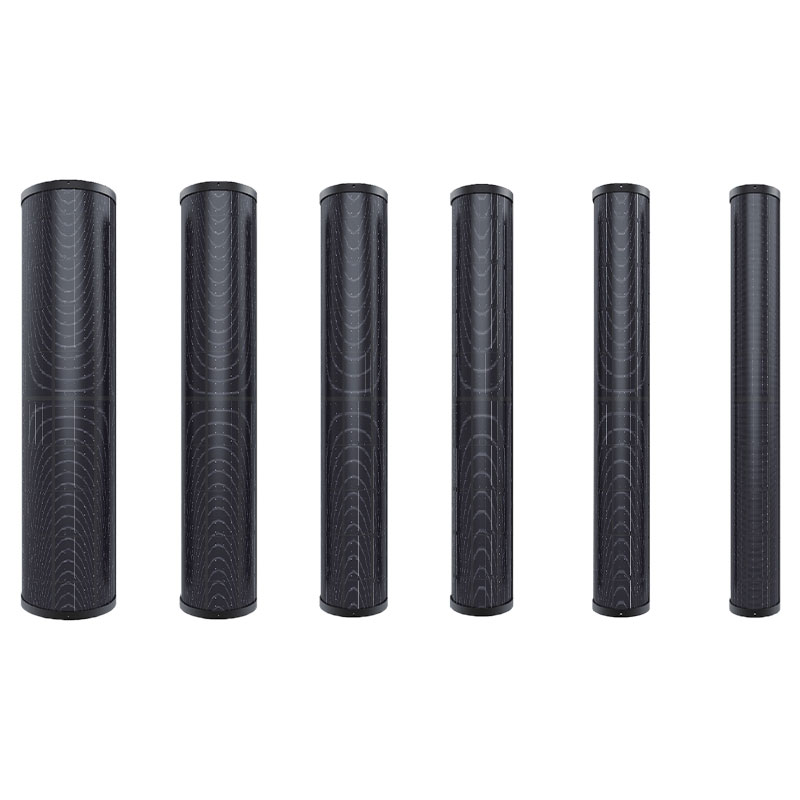
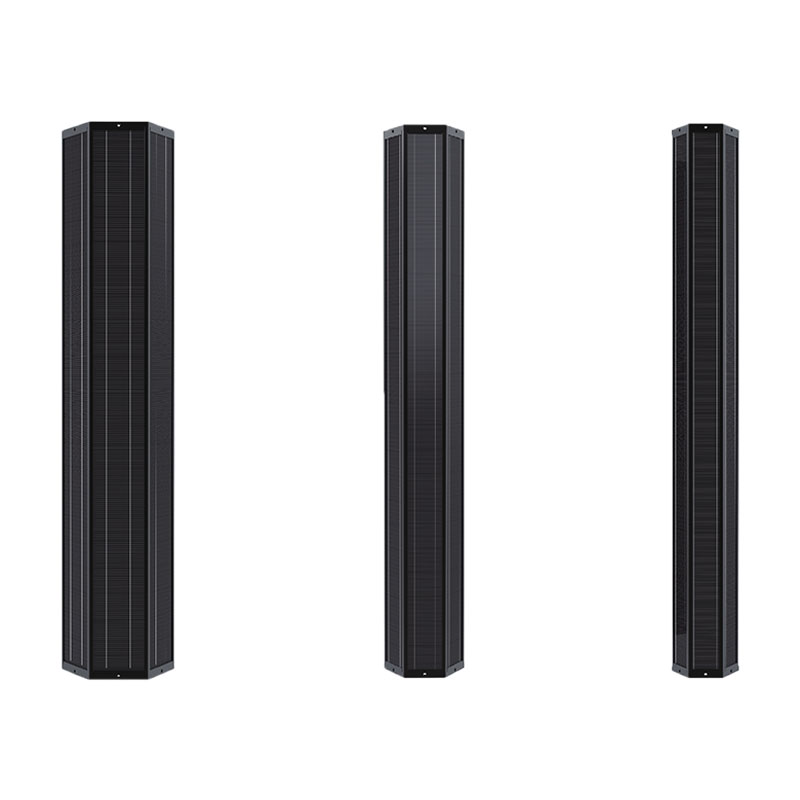
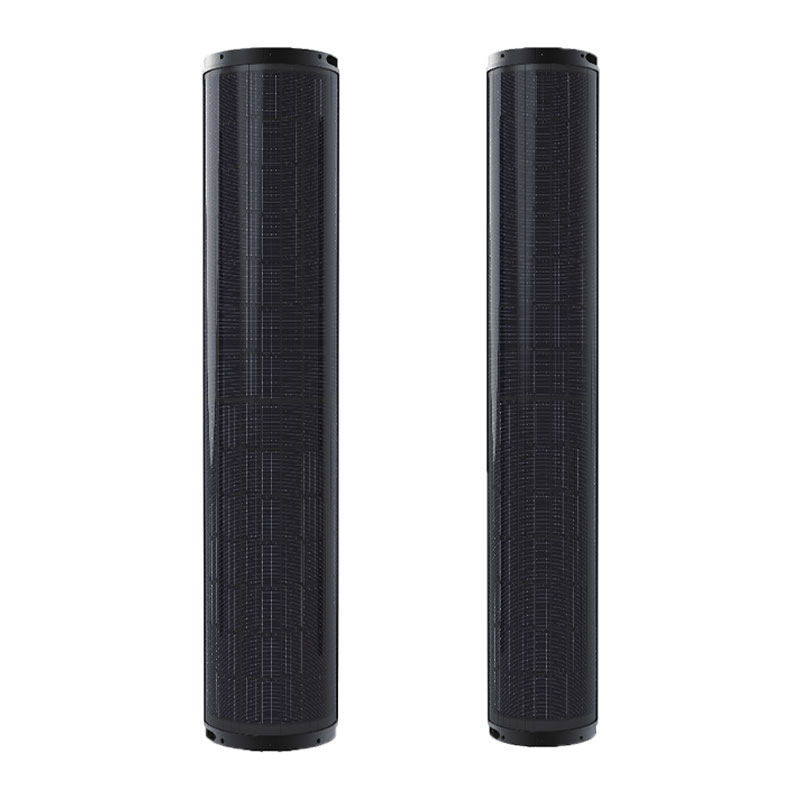
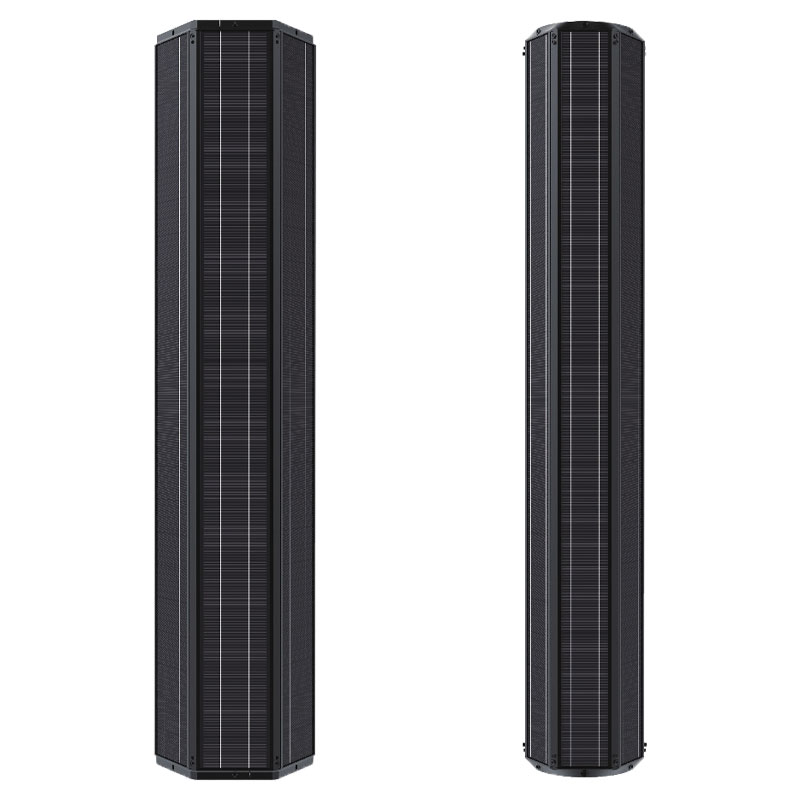
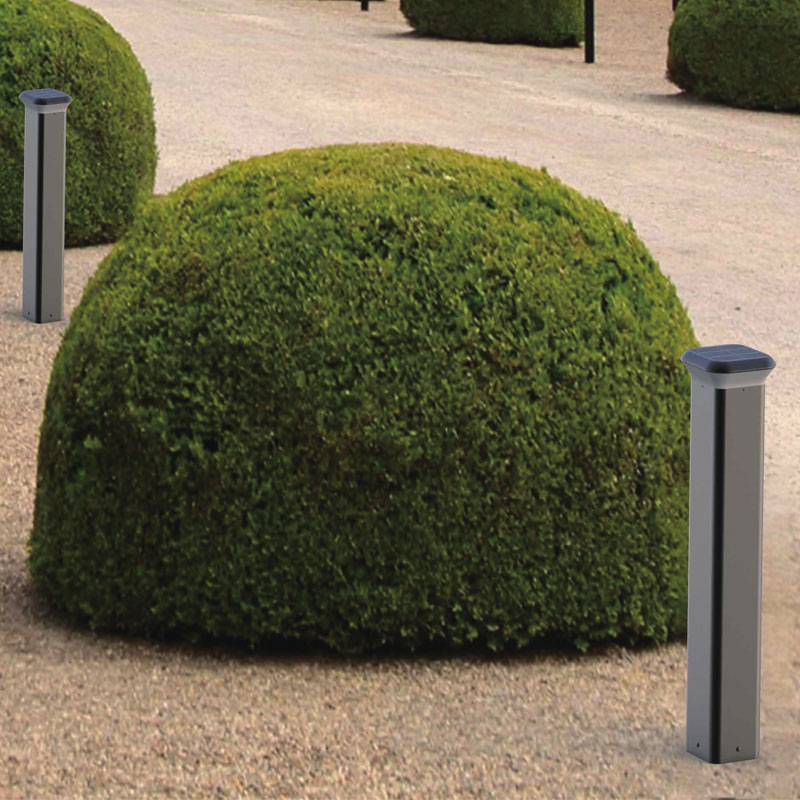
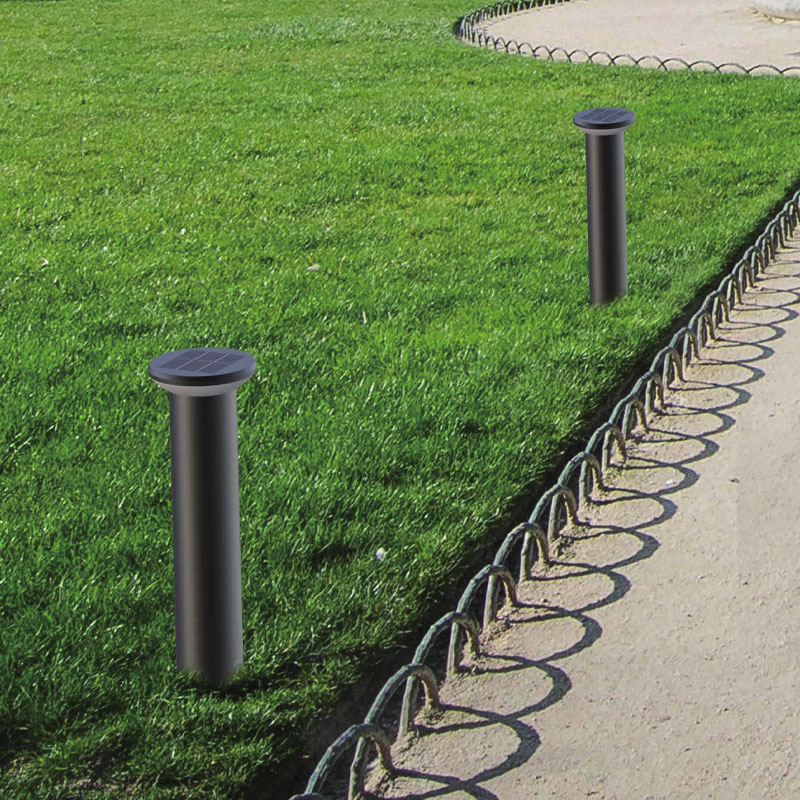
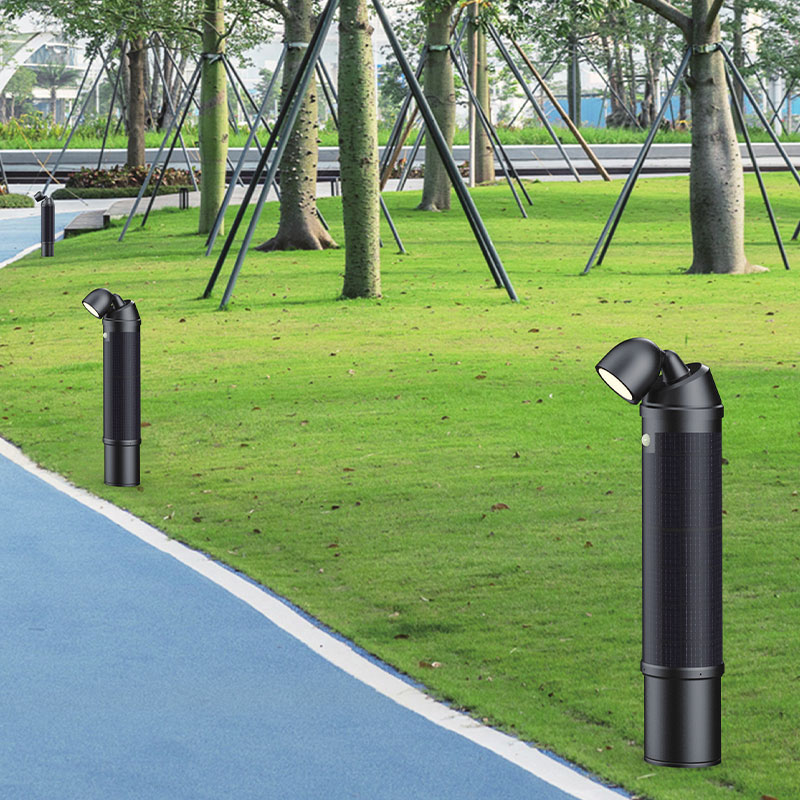
Oct 09, 2026Los polos solares pueden incorporar tecnologías avanzadas como sensores, cámaras, Wi-Fi, altavoces, etc., para proporcionar servicios y funciones adicionales como gestión del tráfico, vigilancia, comunicación y entretenimiento, etc. Los polos solares también se pueden integrar con otros dispositivos y plataformas inteligentes, como redes inteligentes, ciudades inteligentes, etc., para crear una red conectada e inteligente.
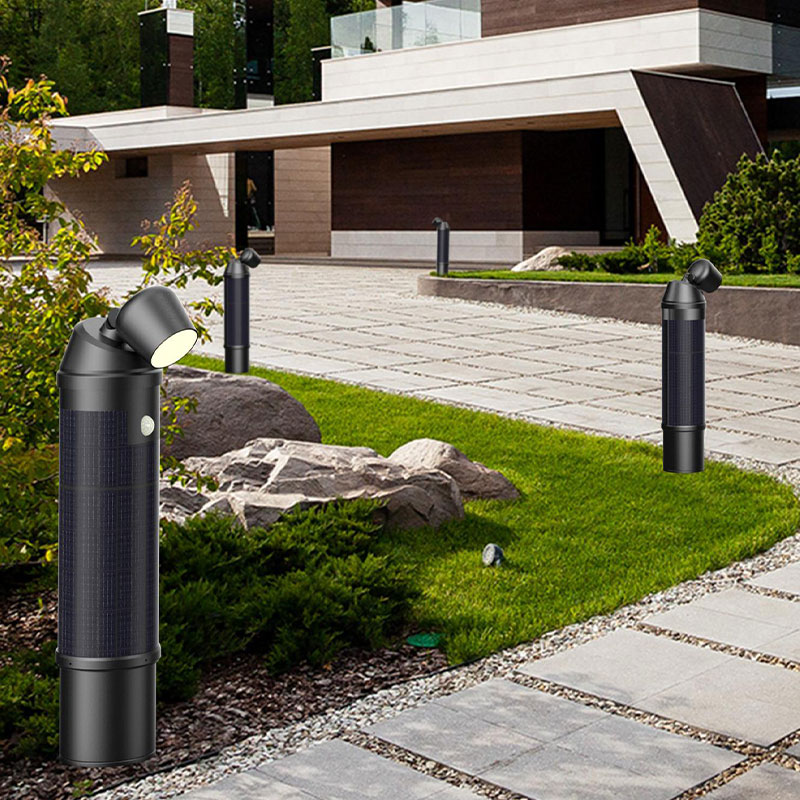

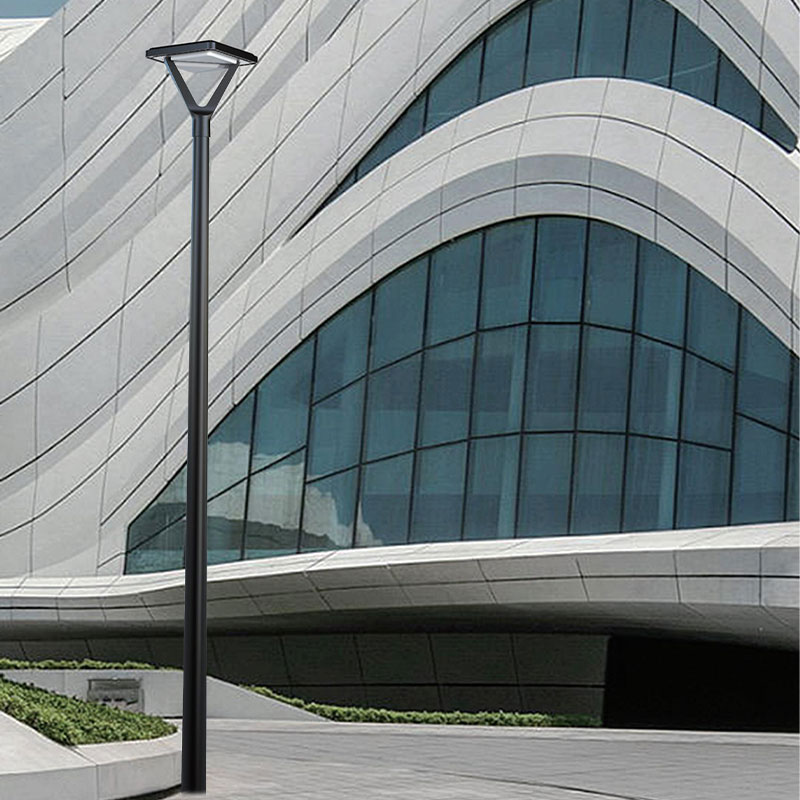
Un poste de 8 m en una carretera principal, un poste de 3 m junto a un sendero en un jardín y un mástil de 30 m sobre una plataforma portuaria son todos postes de luz, pero pertenecen a mundos de ingeniería diferentes. La altura decide qué luminaria se puede montar, a qué distancia están los postes, a qué profund...
Ver MásUna hoja de especificaciones que dice "galvanizado en caliente" le dice sólo la mitad de lo que necesita saber. Dos postes de luz de acero pueden tener la misma descripción de dos palabras y comportarse de manera completamente diferente después de quince años de servicio. Uno tiene una superficie de zinc gris mat...
Ver MásNormalmente se eligen primero las luminarias. En un proyecto de paisajismo de oficina, el equipo de diseño elige faroles y reflectores de poste de un catálogo, el contratista los valora y sólo más tarde alguien pregunta sobre qué se montarán, a qué altura y sobre qué base. Los polos se convierten entonces en la r...
Ver Más Solar Light Poles (also known as solar smart poles or solar multi-functional poles) have evolved from traditional lighting equipment into a key infrastructure component in smart city construction. They not only achieve green lighting but also, through the integration of various advanced technologies, become core nodes for urban information collection, transmission, management, and services.
The core advantage of Solar Light Poles lies in their independent power supply capability, enabling both off-grid and grid-connected operation.
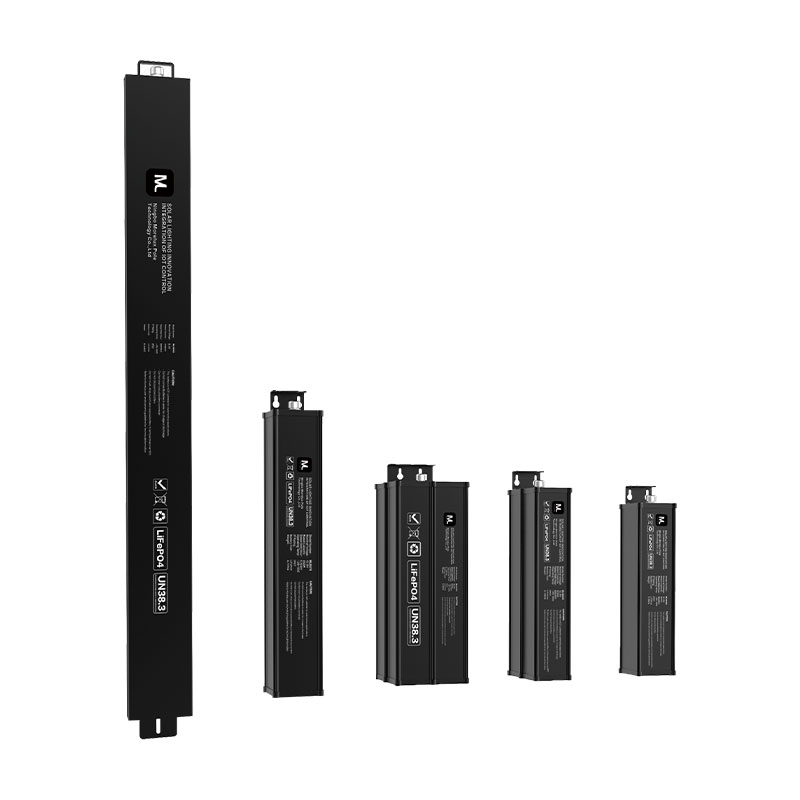
Utilizing high-efficiency solar panels for photovoltaic power generation, converting solar energy into electrical energy. An integrated energy storage system (typically lithium batteries) ensures stable power supply at night or during cloudy/rainy weather.
Employing high-efficiency LED lighting modules combined with intelligent dimming technology to achieve on-demand lighting, further saving energy and extending battery life.
The pole design considers wind resistance, corrosion resistance, and modular integration capabilities, facilitating the installation and maintenance of various intelligent devices.
The greatest value of solar smart poles lies in their powerful multi-functional integration capabilities, making them a crucial carrier of the Internet of Things (IoT) in cities.
| Functional Modules | Integrated Technologies | Typical Application Scenarios |
| Environmental Monitoring | Sensors (temperature, humidity, PM2.5, noise) | Air quality monitoring, real-time environmental data collection |
| Video Security | High-definition cameras, AI video analytics | Traffic management, public safety monitoring, pedestrian/vehicle flow statistics |
| Wireless Communication | Wi-Fi hotspots, 5G micro-stations | Providing public internet access, cellular network signal coverage |
| Information Dissemination | LED displays, information dissemination systems | Public information, advertising, emergency warnings |
| Emergency Services | One-button alarm systems, public address systems | Emergency assistance, disaster warnings, information dissemination |
| Electronic Vehicles | Charging stations | Providing convenient charging services for electric bicycles/cars |
The future development trend of Solar Light Poles is deep integration with larger urban systems, forming a highly interconnected smart network.
Urban data collected by the poles (such as environmental data and traffic flow) is transmitted via network to a smart city platform or data center for unified management and analysis, supporting urban operational decision-making.
Solar poles can interact with the smart grid as distributed power generation nodes, optimizing power dispatch and utilization efficiency.
Covering multiple fields such as new energy, communication technology, IoT, and urban management, it has spurred the emergence of new solution providers for smart streetlights and smart poles.
With its independent power supply advantage and powerful multi-functional integration capabilities, Solar Light Pole solve the power supply and wiring problems of traditional smart poles, greatly reducing the threshold and deployment costs of smart city construction. It is an important carrier for realizing urban intelligence, improving urban governance efficiency, and enhancing the quality of life for citizens.
The main differences lie in the power supply method and functional integration. Solar poles use photovoltaic power generation for independent power supply and integrate multi-functional modules such as sensors and cameras.
Yes. They have a built-in high-efficiency energy storage system (battery) that can store electrical energy to ensure stable LED lighting and equipment operation at night or during continuous cloudy or rainy weather.
Common functions include environmental monitoring, security monitoring, Wi-Fi coverage, 5G micro-stations, information dissemination, and one-click alarms.
NINGBO MORELUX POLE TECHNOLOGY LIMITED Todos los derechos reservados. Venta al por mayor Poste De Luz Solar Fabricante OEM/ODM Poste De Luz Solar Empresa



 英语
英语 西班牙语
西班牙语 法语
法语 阿拉伯语
阿拉伯语 意大利语
意大利语